
How to Boost Your Mood with Gut Healthy Foods!
Good Mood Foods
The Best Foods For a Happier You
Table of Contents
Are you looking for a tasty list of good mood food? Some of the healthiest food in the world can be easily added to your favorite recipes – simply for a happier you. So, check out the list of mood enhancing foods below. We have done the research for you!
Research shows that your digestive system doesn’t just help digest food – it’s the control center of how you feel. In fact, your gut produces over 90% of the body’s serotonin, known as the “happy molecule”. A nickname that stems from its contribution to well-being and happiness. Research into how so-called good mood food can affect how you feel is “the new black” in health management. Nutritional psychiatrists such as Dr. Naidoo, for instance, is sharing about good mood food in her book on how you can calm your mind with food.
Below we will look at the fascinating connection between food and mood – and what are the best foods to choose for a happier you.
“The way you think and feel depends largely on what you eat”
Lourdes Ramón – in an interview with Vogue
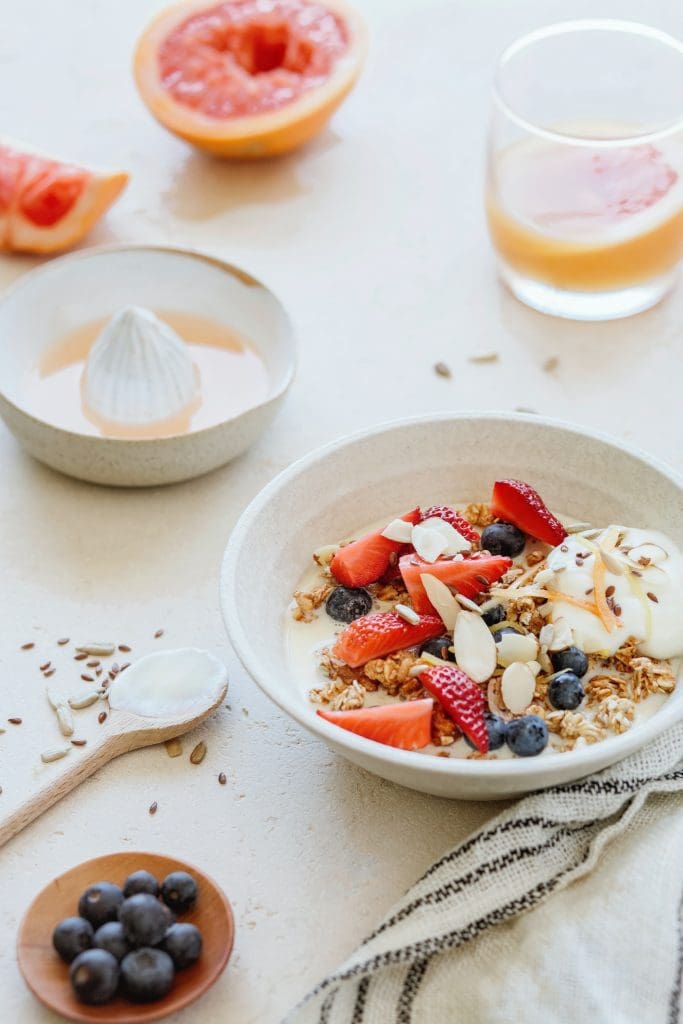
Remember, variety in your diet is a key to success – and every little helps! We are all busy trying to juggle jobs, friends, exercise, sleep, kids, partners, pets, and finding inspiration for the best foods to eat …
So, it is important be kind to yourself, celebrate your wins along the way and enjoy the journey.
- You can also follow us on Instagram for more inspiration as we share the best foods and gut healthy recipes for busy lives!
Mounting research connects gut and mood
We have trillions of microbes in our gut, also called the gut microbiome, and what we eat directly affects these microbes. By giving them the best foods, they will – like any living organism – thrive. And in turn help you feel better and lift your mood.
While no single food or food groups are a cure-all, mounting research tells us that incorporating certain ‘good mood food’ into our diet can help improve mood and brain function. We’ll go into detail below, but first, here’s the short-list of mood enhancing foods:
Good mood foods for your shopping list
Science-backed foods to help increase your feeling of well-being include:
- Salmon, mackerel, and sardines for healthy fats
- Oats, yogurt and kefir. Beans, lentils, and chickpeas
- Almonds, cashews, peanuts, walnuts, and Brazil nuts
- Pine nuts, pumpkin seeds, sesame seeds, sunflower seeds, flax seeds, chia seeds, and hemp seeds
- Bananas, blueberries, raspberries, strawberries, cherries, spinach, and kale
- Ginger, turmeric, cinnamon, and garlic
- Eggs and chicken. Buckwheat tea, dark chocolate (70% or more) and extra virgin olive oil


Discover the power of seed nutrition
Discover the science-backed health benefits of seed nutrition*
The science behind good mood food
Beans and lentils. Beans and lentils are ‘good mood food’ examples because they are packed with tryptophan, an amino acid that the body uses to make mood-boosting serotonin. They are also an excellent source of B vitamins, which help improve mood by increasing levels of neurotransmitters like serotonin, dopamine, and gamma-aminobutyric acid (GABA), all of which are important for regulating mood.
Good foods to add to soups, stews, and tomato sauces are chickpeas, kidney beans or lentils as they are perfect budget-friendly good mood food ideas! For instance, try this delicious minestrone soup – also called longevity soup!

Nuts. Almonds, cashews, peanuts, and walnuts are excellent sources of tryptophan, magnesium, and zinc, and therefore good foods to help regulate mood and reduce anxiety. Furthermore, Brazil nuts and pine nuts are rich in zinc, and deficiency in these minerals is associated with higher rates of depression.
Eating a handful of nuts daily may help lower the risk of depression. You can also add nuts to your favorite granola recipe!
Seeds. Seeds are among the healthiest food in the world and great for gut health and mood because they are high in plant-based proteins, healthy Omega-3 fats, and fiber. These good mood food suggestions also provide tryptophan, an amino acid responsible for producing mood-boosting serotonin. Certain seeds are high in tryptophan, zinc, and selenium, which may support brain function and lower the risk of depression. This granola with seeds and honey is a Guts & Glory Health team favorite!
The following are tasty seeds to include in your diet: pumpkin, sesame, sunflower, flax, chia, hemp seeds.
Incorporating these seeds into your diet can provide various mental health benefits. Indeed, studies have shown that regularly eating small amounts of seeds can help reduce feelings of stress, depression, and anxiety. You can also eat coldpressed seeds as a supplement – one of Tonje at Guts & Glory Health’ favorites!
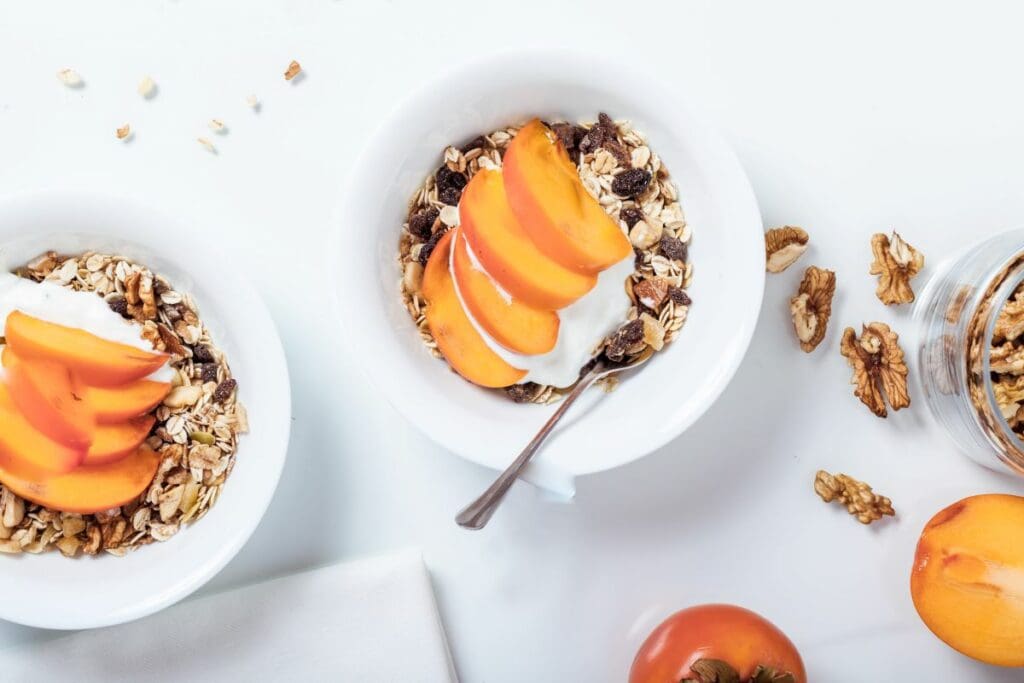
Adding healthy fats and probiotics can boost your mood!
Fatty fish. Eating fatty fish, such as salmon, mackerel, and sardines, contain omega-3 fatty acids, are good mood food examples that can improve your mental health. Like seeds, salmon is among the healthiest food in the world. Research suggests that these healthy fats may have a mood-stabilizing effect and help with symptoms of depression.
It’s worth noting that the body can’t produce Omega-3 on its own and we must therefore get it through our diet. So finding the best foods with Omega-3 is super important! Try this oh-so-tasty salmon ceviche salad!
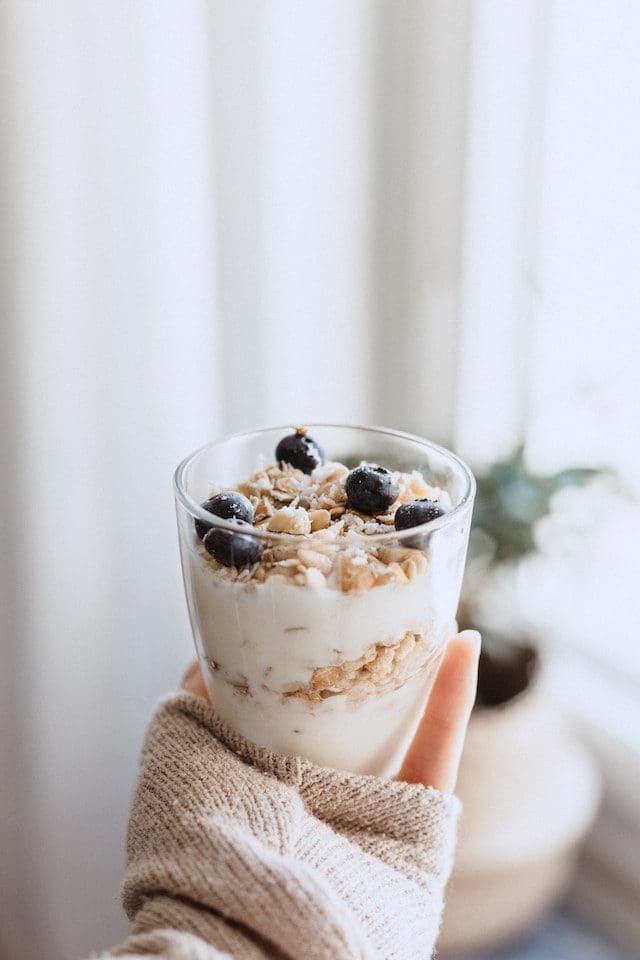
Yogurt and kefir. New research suggests that yogurt can help anxiety and depression, which supports the growing evidence regarding the relationship between the gut and brain, and the effect diet has on our mental health. In fact, one study showed that eating a cup of yogurt containing live cultures every day could significantly reduce anxiety.
Similarly, research shows that drinking kefir milk regularly can improve brain health and mood. Note that it is suggested to consume fiber together with probiotics “as fiber is the fuel used by probiotic organisms while in the GI tract”.
“The fact that Lactobacillus, commonly found in fermented foods and yogurt, is linked to stress management and potential prevention of depression and anxiety opens up exciting possibilities for holistic approaches to mental health.”
Aviva Romm, MD

You may also like this article on the benefit of kefir milk, as kefir is one of the best foods you can add to your list of good mood food:
DISCOVER THE BENEFIT OF KEFIR MILK plus the healthiest kefir brands!
Fill up your grocery list with good mood food
Oats. Oats are some of the best foods for your mood for several reasons. They are a great source of fiber, which can help stabilize blood sugar levels and energy levels, leading to a more stable mood. Also, the slow-burning complex carbohydrates in oats can impact serotonin levels, which are linked to anxiety, and can help regulate mood and brain functioning. Oats are also packed with protein, B vitamins, and magnesium, making them one of the best foods to help reduce anxiety and depression.
- Oats, seeds and salmon are on the top list of the healthiest food in the world!
Oats are great in home-made granola, easy overnight oats and to add fiber in waffles and pancakes.
Bananas. Bananas are considered good mood food because of their nutritional content. They contain vitamin B6, which helps manufacture serotonin. Additionally, bananas contain tryptophan, that the body uses to produce serotonin and melatonin – which in turn regulate mood and sleep. Bananas also contain magnesium, which further increases sleepiness, making them a great evening treat. Bananas have a lot of prebiotic fiber and potassium, and this is linked to a good mood.
In short, bananas are among the best foods to snack on!

Buckwheat tea. Buckwheat tea is extremely calming and soothing – and it has shown to be very helpful in reducing stress and anxiety levels. CLICK HERE to purchase the best buckwheat tea, one of the Guts & Glory Health team’s absolute favorites.
Tea with benefits – Try the BEST buckwheat tea available today. Click here to buy!
Dark chocolate. Dark chocolate (containing over 70% cocoa) is also some of the best foods for your mood due to several reasons. Ok, so maybe chocolate isn’t food per se … but it contains compounds such as polyphenols, which have antioxidant properties and have been shown to reduce stress and anxiety.
Furthermore, dark chocolate contains serotonin, which contributes to mood regulation and can help boost your mood.
Berries. Blueberries, raspberries, and strawberries in particular, are some of the best foods known for their mood-boosting properties. They are packed with antioxidants and phenolic compounds, which may help manage inflammation associated with depression and other mood disorders.
Other foods that can boost your mood …
Chicken. Poultry, such as chicken, is on the good mood food list due to its nutrient content. Chicken contains the amino acid tryptophan, which is linked to higher levels of serotonin, the “feel good” hormone, in the brain. Also, chicken is a great source of vitamin B12, which is essential for mood regulation, and it also contains zinc, involved in brain function and development.
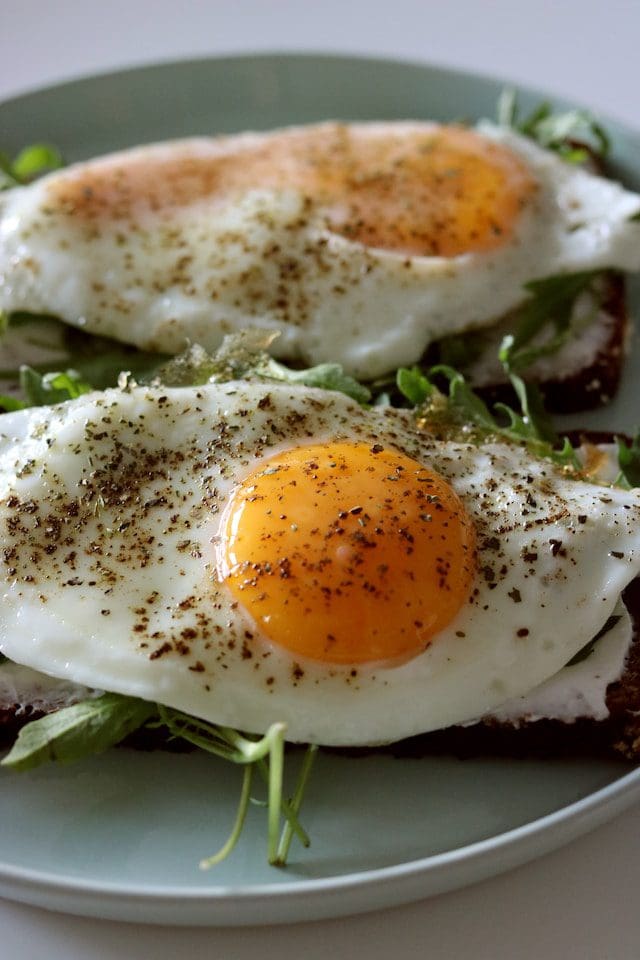
Eggs. Are good for your mood because they contain amino acids such as tryptophan, which is used to make serotonin – which in turn plays a vital role in mood, learning, and sleep.
They also contain choline, which helps improve mood, as well as omega-3 fatty acids, zinc, B vitamins, and iodide, nutrients that work together to battle fatigue and reverse bad moods.
Note! You need to eat the yolk, not just the egg whites, for these benefits.
Anti-inflammatory foods
Today’s modern diet is highly inflammatory, with too much sugar, ultra-processed foods, and additives. Eating good foods that reduce inflammation, on the other hand, can help reduce the risk of depression studies show. These are mood enhancing foods and rich in antioxidants, fiber, and phytochemicals, which can help prevent and limit inflammation. In fact, by adding anti-inflammatory foods into your diet, you can boost well-being and improve your mood.
Anti-inflammatory foods that are good for your mood include leafy greens such as kale and spinach, extra virgin olive oil, ginger, turmeric, cinnamon, cherries, and garlic.
Limit ultra-processed foods
Scientists and nutritionists strongly advise we avoid or limit the amount of ultra-processed foods we eat. They are the opposite of good foods for a happy balanced mood! If the ingredients listed are not commonly found in a kitchen, then it’s ultra-processed. In one 2022 study of over 10,000 adults in the United States, cited by The New York Times, the more ultra-processed foods participants ate, the more likely they were to report mild depression or feelings of anxiety.
- Read more about the negative effects of eating ultra-processed foods in Why Ultra-Processed Foods Should Make you Ultra-Concerned.
- Find your favorite good mood food here!
The emerging field of nutritional psychiatry!
Nutritional psychiatry is a field of study that examines the relationship between diet and mental health. It explores how the best foods can impact brain function, mood, and overall mental well-being. This emerging area of research suggests that dietary patterns play a significant role in preventing, managing, and even treating various mental health disorders, including depression, anxiety, and ADHD. Consequently, paying attention to good mood food when grocery shopping is key!
Research in nutritional psychiatry indicates that certain nutrients, such as omega-3 fatty acids, vitamins B and D, zinc, magnesium, and antioxidants, are crucial for optimal brain function. These nutrients play roles in neurotransmitter synthesis, inflammation regulation, and neuronal signaling, all of which influence mood and cognitive function. Conversely, diets high in processed foods, sugar, and unhealthy fats have been associated with an increased risk of mental health issues.
Which diet can support your brain and mental health?
Key dietary patterns linked to improved mental health include the Mediterranean diet, which emphasizes fruits, vegetables, whole grains, fish, and healthy fats like olive oil.
This diet is rich in nutrients that support brain health and has been linked to a lower risk of depression and cognitive decline. Similarly, the DASH (Dietary Approaches to Stop Hypertension) diet, which focuses on reducing sodium intake and increasing consumption of fruits, vegetables, and lean proteins, has shown benefits for mental well-being.
Nutritional psychiatry also highlights the importance of gut health in mental health. The gut-brain axis, a bidirectional communication network between the gut and the brain, plays a crucial role in regulating mood and behavior. Probiotics, prebiotics, and dietary fiber are components of good mood food that support a healthy gut microbiome. Which in turn can positively influence mental health!
In clinical practice, nutritional psychiatry interventions may involve dietary modifications – that is adding mood enhancing foods to your diet. In addition to supplementation with specific nutrients, and lifestyle changes like regular exercise and stress management techniques. While more research is needed to fully understand the mechanisms underlying the diet-mental health connection, nutritional psychiatry offers promising avenues for promoting mental well-being through dietary interventions.
“The way you think and feel depends largely on what you eat”
Lourdes Ramón (in interview with Vogue)
Famous researchers and scientists within the field
Nutritional psychiatry, a burgeoning field, explores the link between diet and mental health. Several prominent figures have emerged, offering insights and guidance regarding the effects of good mood food. Among them, Dr. Uma Naidoo stands out. A Harvard-trained psychiatrist, professional chef, and nutrition specialist, Dr. Naidoo has significantly contributed to the field. Her book, “This Is Your Brain on Food,” delves into what are the best foods for mental health, offering evidence-based advice on dietary choices to alleviate conditions like anxiety, depression, and ADHD.
Another key figure is Dr. Drew Ramsey, an assistant clinical professor of psychiatry at Columbia University. He authored “Eat to Beat Depression and Anxiety,” advocating for nutrient-rich diets to improve mental health. Dr. Ramsey’s work emphasizes the importance of whole foods, rich in vitamins and minerals, and their impact on brain function and emotional well-being.
Dr. Felice Jacka, an Australian researcher and president of the International Society for Nutritional Psychiatry Research (ISNPR), has also made substantial contributions. Her research, particularly the SMILES trial, underscores the potential of dietary interventions in treating depression. Dr. Jacka’s book, “Brain Changer,” provides practical advice on incorporating mood-boosting foods into daily diets.
These experts collectively highlight the profound connection between nutrition and mental health, promoting dietary strategies as complementary treatments for psychiatric conditions.
Summary: Good mood food
In summary, a growing body of evidence shows us that what we eat has a major effect on our gut microbes and how they communicate with our brain. And this, in turn, influences how we think and feel. We need the best foods and a balanced diet to thrive. This is giving rise to the field of nutritional psychiatry, unravelling the fascinating and direct link between what you eat – and your mood.
- Discover how gut health is related to mental health, and ways to improve your gut microbiome health.
SOURCES AND FURTHER READING
Nutritional psychiatry: Your brain on food – Harvard Health
What Anti-Inflammatory Foods Can Do for Your Mood | Psychology Today
Eating Small Daily Handful of Nuts Linked to Lower Risk of Depression (healthline.com)
More Posts & Recipes for You:

Sea Buckthorn: The Skin and Gut Health Superfood You Should Know About Sea buckthorn has gained a cult following among skincare and wellness enthusiasts — and for good reason. Rich in rare fatty acids, vitamins, and antioxidants, this bright orange berry supports both your outer glow and inner gut health. Having tried it myself in […]

Easy High Fiber Meals – Boost Your Skin Glow, Inside Out Looking for a quick overview of how to add more fiber to your diet? We’ve got you covered with these ideas for easy high fiber meals to keep your gut happy and your meals exciting! Because eating enough fiber is a key to glowing […]

Best Probiotics for Acne? 12 That Actually Work (Derm & Gut-Backed) If you struggle with acne, you’re not alone—acne affects over 650 million people worldwide. I was one of them for many years, until I realised that skin health is more than just skin deep! In fact, new research shows that balancing your skin and […]
Water kefir vs milk kefir: which actually fixes bloating? Water kefir vs milk kefir: which actually fixes bloating? The honest answer is that neither is a guaranteed fix, but understanding what goes into each drink can help you choose one that better matches your diet and likely triggers. Key Takeaways What kefir is and how […]
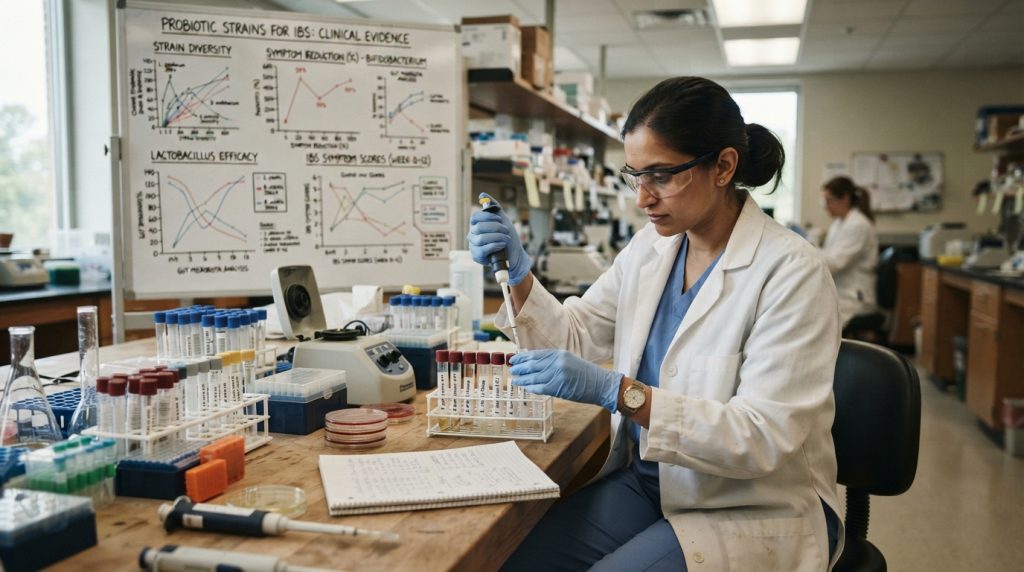
Probiotic strains for IBS: what the clinical evidence actually shows Probiotic strains for IBS: what the clinical evidence actually shows is important because one big meta-analysis pooled 20 studies and found probiotics outperform placebo for global IBS symptoms. That means we can talk about “works for IBS” in a way that is not based on […]
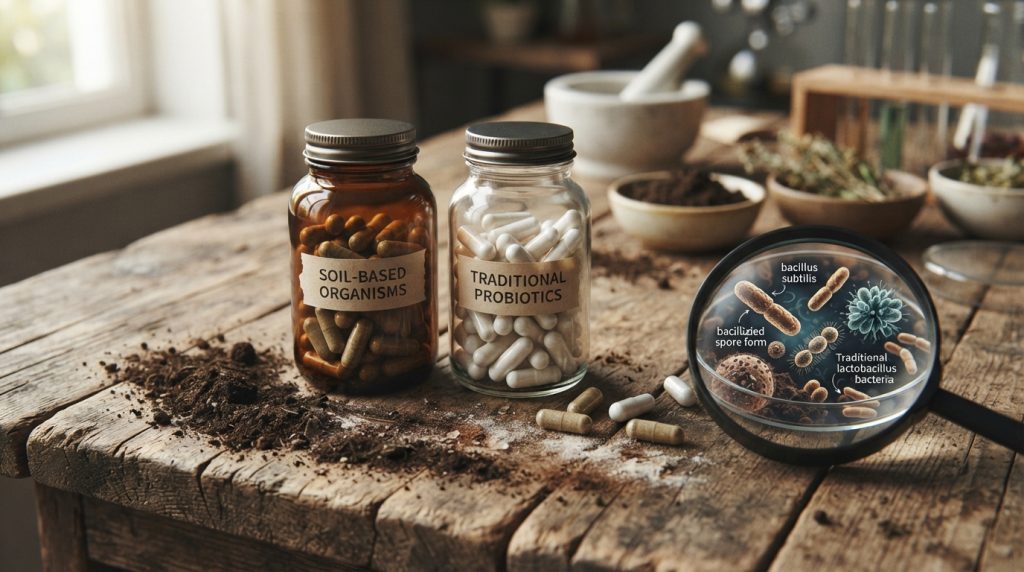
Compare Soil Based Organisms vs Traditional Probiotics for Sensitive Digestion (Best Picks for IBS, Bloating & Gut-Skin Results) Soil Based Organisms vs Traditional Probiotics for Sensitive Digestion is one of the most common questions we get from people whose gut feels touchy, yet they still want an inside-out glow. Did you know that some probiotics […]
Best Spore-Based Probiotics for Sensitive Stomachs: Gentle, Science-Backed Support That Actually Works When it comes to the Best Spore-Based Probiotics for Sensitive Stomachs, the science is quietly impressive, clinical trials show a 30-day course can reduce markers of gut permeability by 42%, which explains why so many people finally feel relief without the usual bloating. […]
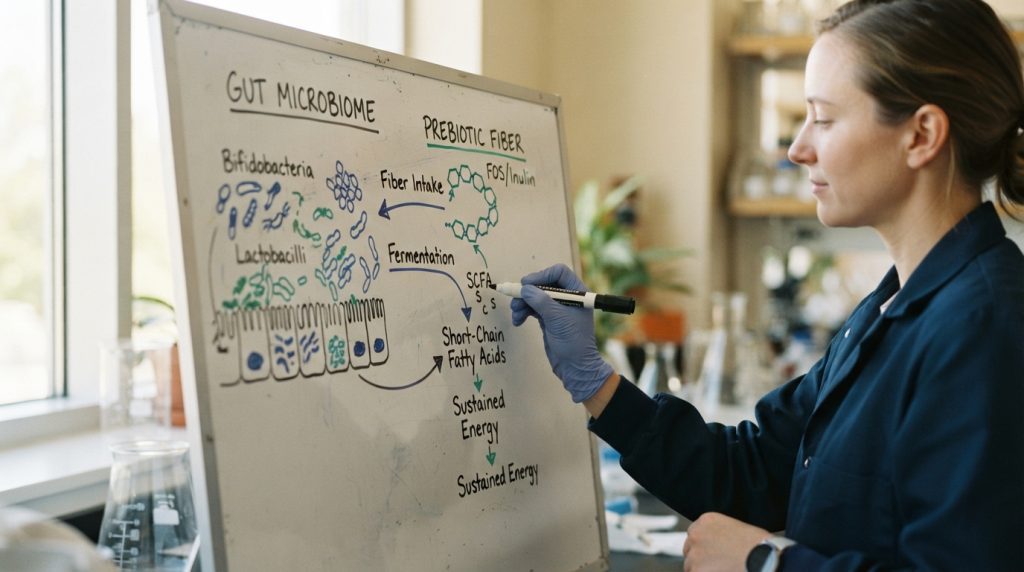
Ultimate Guide to Using Prebiotic Fibre for Sustained Energy Did you know that 90% of women and 97% of men don’t get enough fibre in their daily diet? That gap is exactly why we put together this ultimate guide to using prebiotic fibre for sustained energy, because we’ve read hundreds of research papers and articles, […]
How to Choose Quality Digestive Enzymes for Better Nutrient Absorption Did you know that a staggering 70,000,000 people in the United States deal with gastrointestinal disorders every single year? That number alone tells us why so many of you write in asking how to choose quality digestive enzymes for better nutrient absorption, because bloating, sluggish […]
Best Probiotics for Women Over 40: Our Science-Backed Pick of the Top Strains Finding the best probiotics for women over 40 has become one of the most-asked questions we get, and here’s a number that stopped us in our tracks: a striking 94% of women going through menopause report digestive health issues, often tied to […]
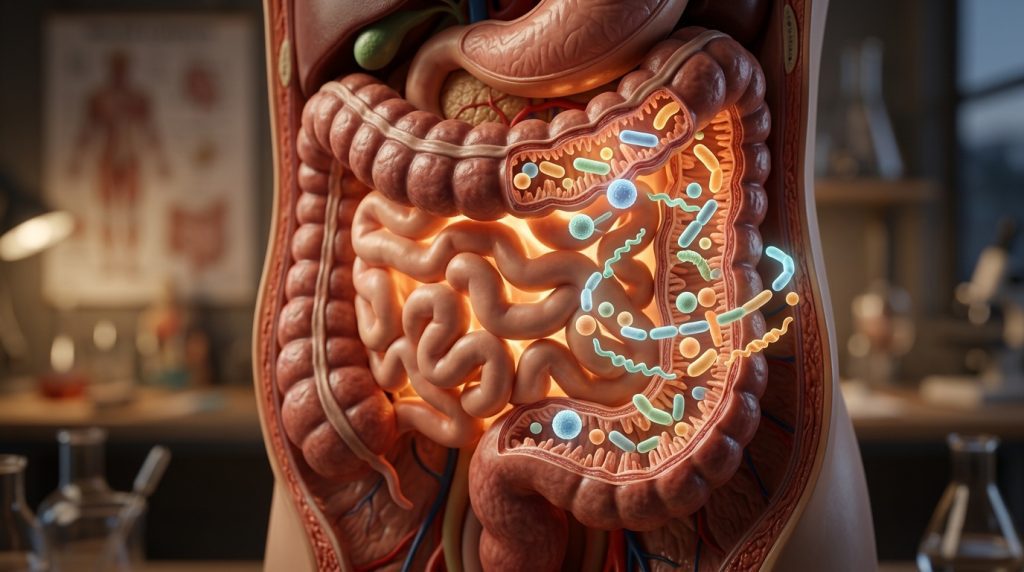
Digestive Disorders & Microbiome Recovery: What the Science Actually Says A single course of antibiotics can reduce gut microbial species by approximately 20, according to a Swedish analysis of nearly 15,000 adults, and that disruption can persist for years. This finding sits at the heart of why digestive disorders and microbiome recovery have become one […]
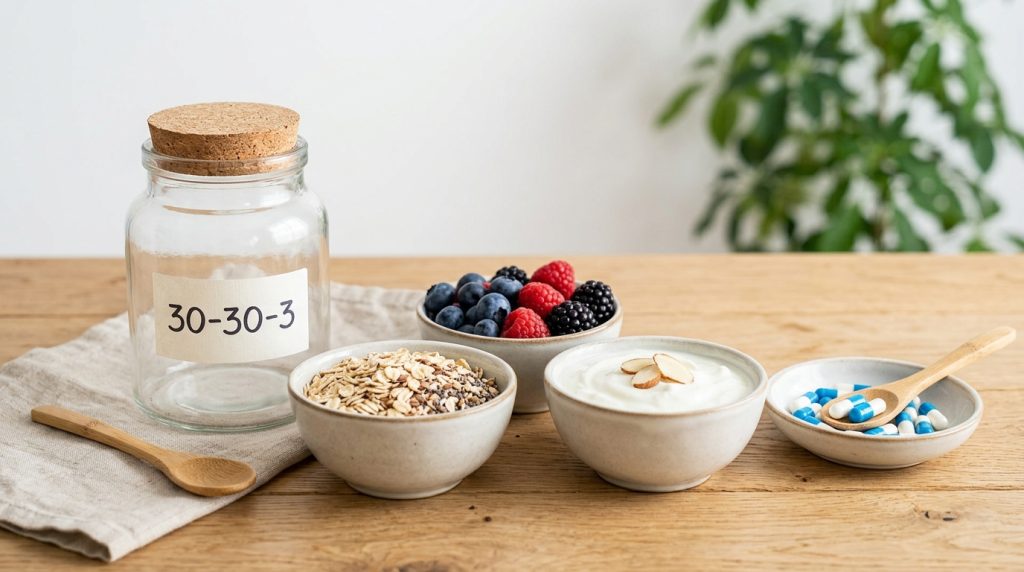
The ’30-30-3′ Microbiome Protocol: Your Science-Backed Daily Blueprint for a Thriving Gut Did you know that 84% of consumers report being more interested in gut health products than in previous years? It’s no wonder that simple, evidence-based frameworks like the ’30-30-3′ Microbiome Protocol are capturing so much attention right now. We’ve been fascinated (to the […]
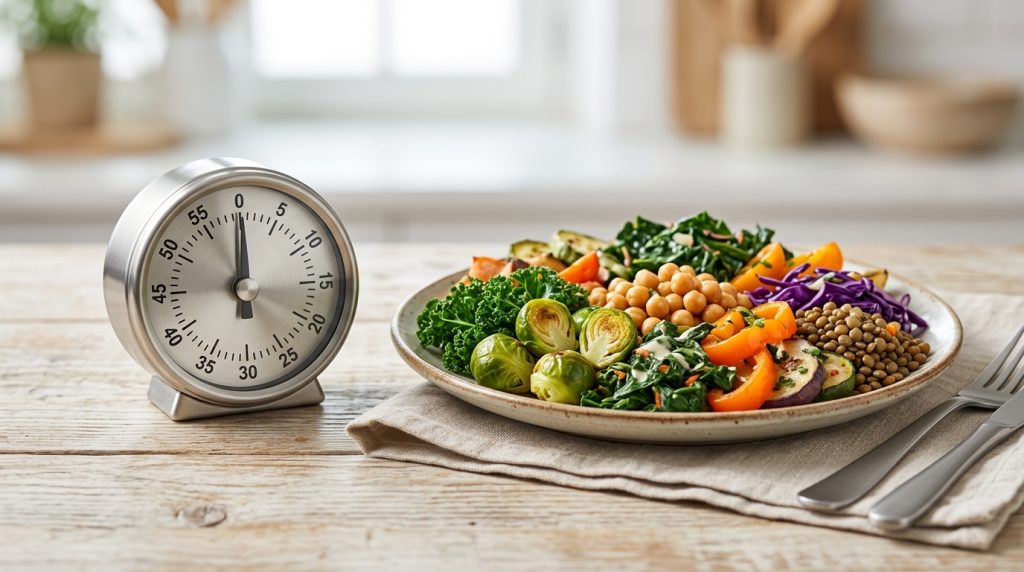
Chrono-Nutrition for the Microbiome: The Best Guide to Timing Your Meals for Gut Health Chrono-nutrition for the microbiome is one of the most exciting and practical shifts happening in gut health right now, and the science behind it is changing how we think about what we eat AND when we eat it. Consider this: over […]

Postbiotic pH Balancing: The Plain-English Guide to Supporting a Healthier Gut Ecosystem Postbiotic pH Balancing matters because clinicians often flag problems when vaginal pH rises above 4.5, a pH threshold tied to common vaginitis diagnoses. More people are asking the same practical question for gut health: how can we support stable, “right-range” pH conditions without […]
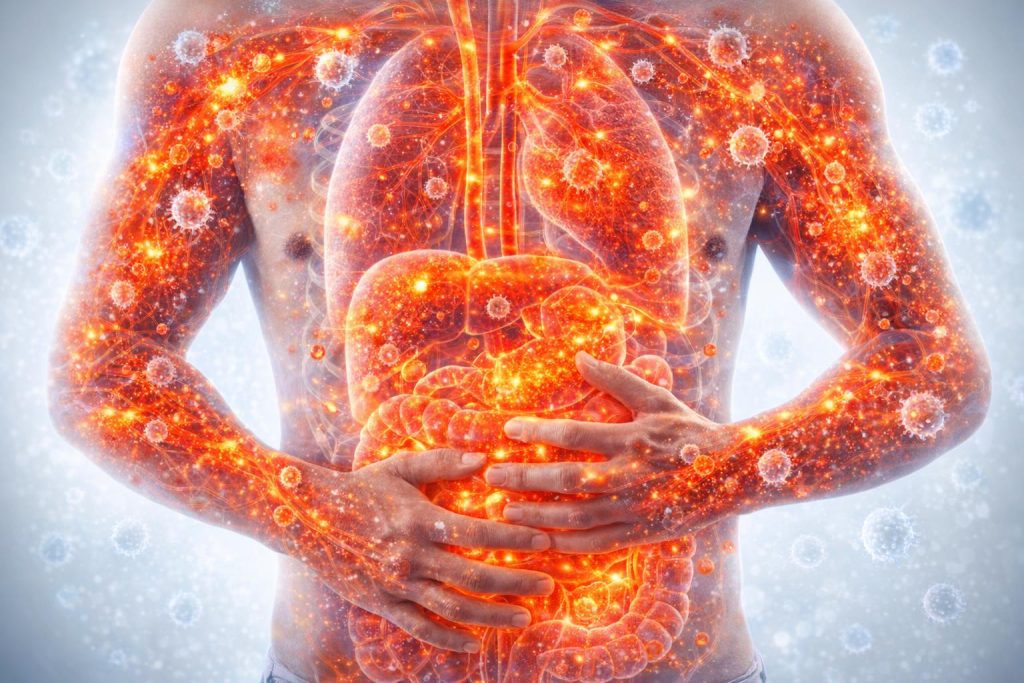
Best Natural Remedies for Reducing Chronic Systemic Inflammation If you’re looking for the best natural remedies for reducing chronic systemic inflammation, you’re in exactly the right place. And here’s something that might surprise you before we even get started: research shows that short sleep duration is associated with more than double the odds of elevated […]
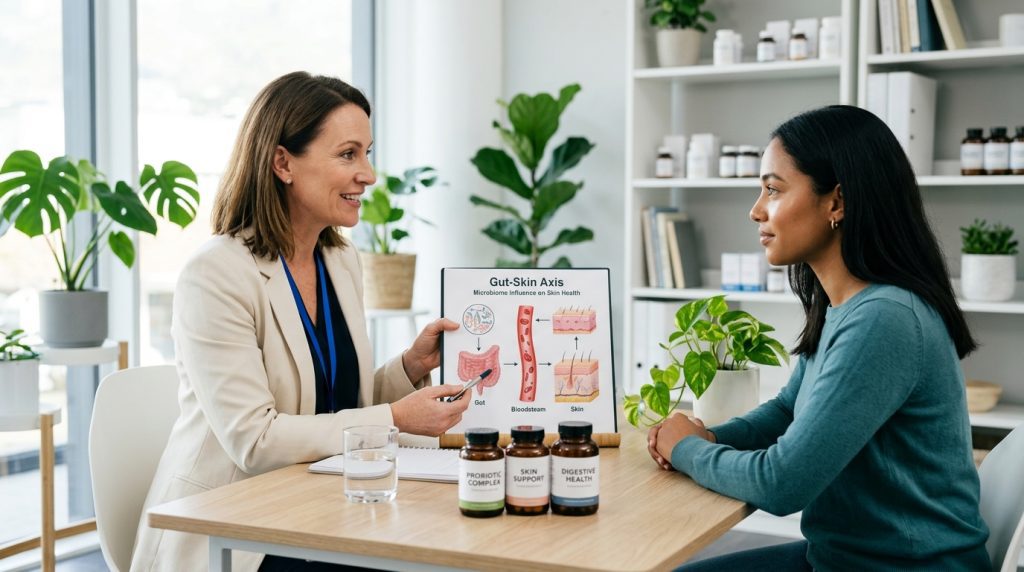
Metabolic Beauty: The Gut-Skin Axis Guide (What’s Actually Working Right Now) Metabolic Beauty and the Gut-Skin Axis in 2026 have officially moved from fringe wellness circles into mainstream science, and the numbers prove it: a staggering 67% of consumers now prefer ingestible beauty products over traditional topical solutions, signalling that the era of “beauty from […]
Menopause, Hormones & Gut Health: Understanding the Changes and Practical Solutions Menopause brings many changes to your body, and your digestive system is no exception. During this transition, dropping levels of oestrogen and progesterone affect more than just your reproductive system. These hormones also play key roles in how your gut functions, from digestion speed […]

The 24-Hour Glow Protocol: Transform Your Skin Through Microbiome-Focused Nutrition and Skincare Your skin and gut health are connected in ways that become visible within just 24 hours of changing what you eat and how you care for your skin. The microbiome—the collection of bacteria living in your gut and on your skin—responds quickly to […]
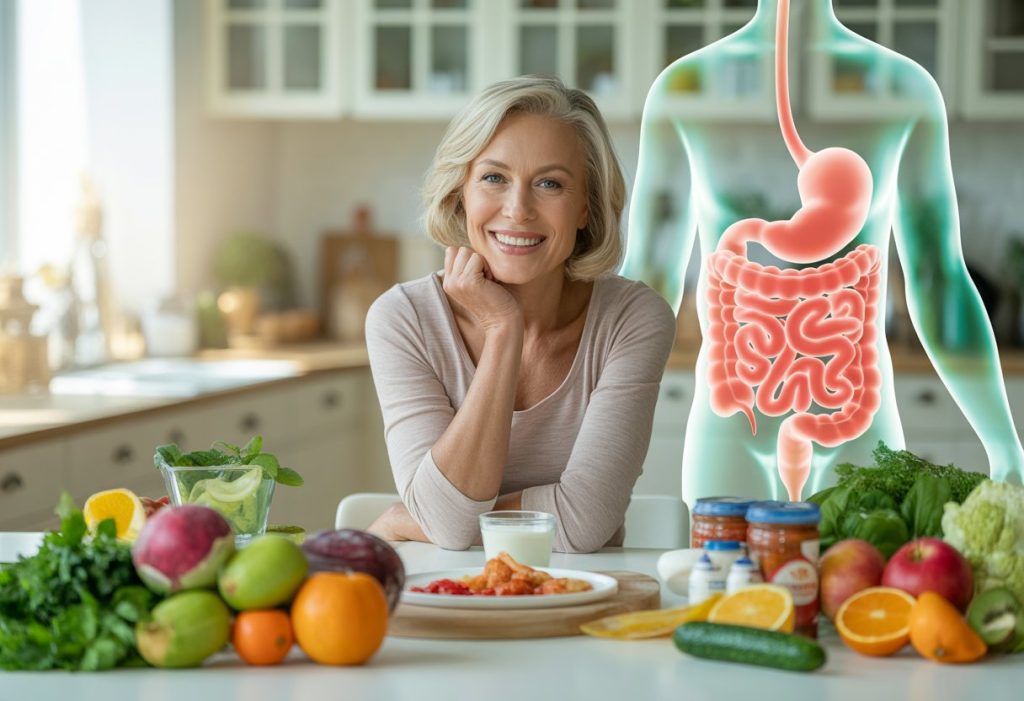
The Inside-Out Glow Up: How Gut Health Transforms Your Skin Care Results You’ve probably spent money on serums, creams, and treatments to get clear, glowing skin. But the real secret to healthy skin might be hiding in an unexpected place: your digestive system. Your gut health directly affects how your skin looks, influencing everything from […]