
The Best Seeds to Eat for Gut Health
Seeds are not only delicious additions to your meals, they also offer a wide range of health benefits. One area where seeds shine is gut health – which impacts both physical and mental health. They are truly seeds of hope.
Understanding the importance of gut health and the ways seeds can contribute to it can help you make good dietary choices.
Table of Contents
Below, we will look at the role of gut health in overall well-being. This includes the connection between diet and gut health, the nutritional content in seeds, the best seeds to eat for gut health, and tasty ways to add seeds to your diet. As well as precautions and considerations when consuming seeds.
Gut Health & Wellbeing
Supercharge Your Wellbeing Through Gut Health
The gut plays a crucial role in our overall well-being. It is responsible for digesting food, absorbing nutrients, and eliminating waste. Moreover, the gut is home to trillions of microorganisms – collectively known as the gut microbiome. Which in turn helps maintain a healthy digestive system and support various bodily functions.
One fascinating aspect of gut health is its intricate connection to the immune system. The gut houses a large portion of our immune cells, making it a key player in our body’s defense mechanisms. A well-balanced gut microbiome can help regulate immune responses, reducing the risk of inflammatory conditions and autoimmune diseases.
“Inflammation is increasingly linked to your mental well-being. And what we eat can help us reduce inflammation and boost our mood. What does this mean? Look to your fridge!”
Click to read the full blog post

Fascinated about gut health? You might enjoy reading about the difference between probiotics and prebiotics!
Boost Your Well-Being Through Gut Health
Gut health is closely linked to overall well-being. A healthy gut can aid in digestion, improve nutrient absorption, boost the immune system, and even impact mental health. On the other hand, an unhealthy gut can cause digestive issues, nutrient deficiencies, weaker immunity, and mood disorders.
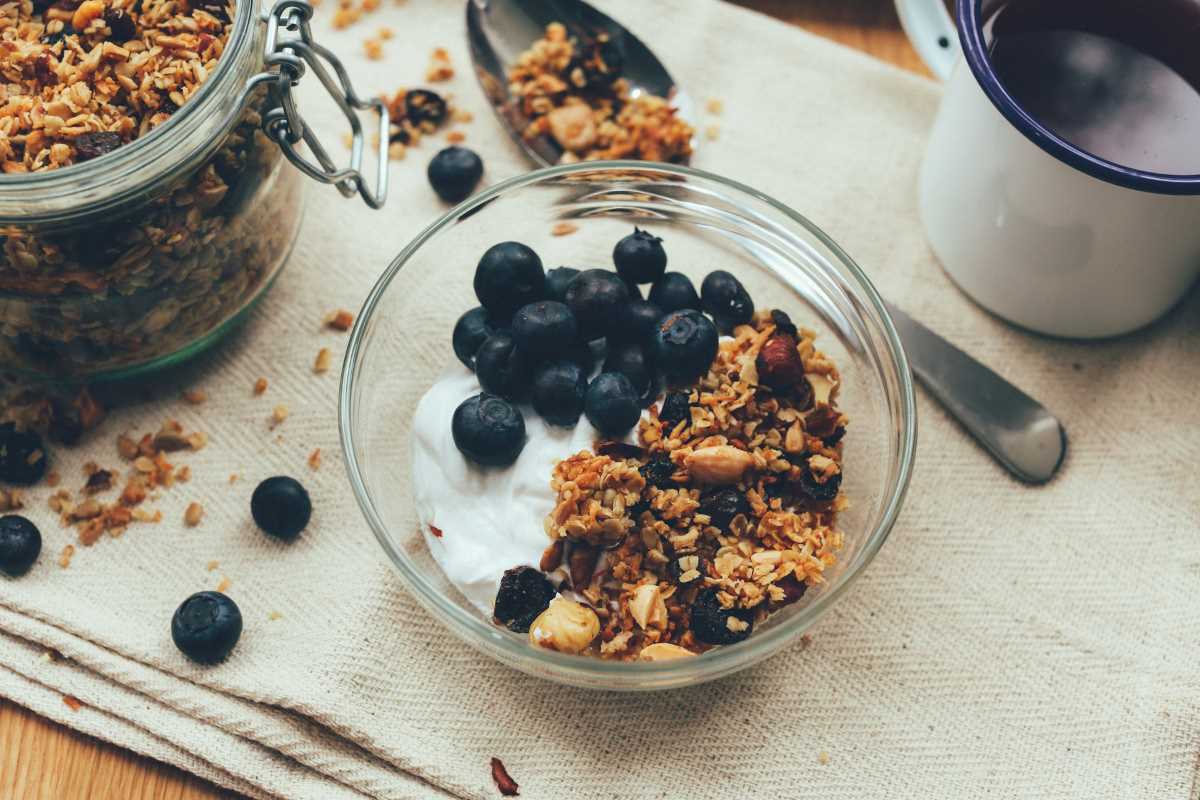
Sweet Granola with Seeds
The Connection Between Diet and Gut Health
Diet plays a significant role in maintaining a healthy gut and consuming a balanced diet can support optimal gut health. This means including a variety of fiber-rich foods, such as fruits, vegetables, and whole grains.
Furthermore, recent research shows that the gut-brain axis, a bidirectional communication system between the gut and the brain. This connection highlights how gut health can impact cognitive functions, mood regulation, and even behavior. Maintaining a healthy gut through proper nutrition and lifestyle choices is essential for optimal brain health and mental well-being.
In short: Eat well, feel well! The science backs it up … In fact, a study in which mice where given an unhealthy diet, the poor things developed depressive symptoms!
Click to read the story “Look to your fridge for mental well-being”
In addition to fiber, incorporating fermented foods like yogurt, kefir, and kimchi into your diet can introduce beneficial probiotic bacteria to your gut. These probiotics help maintain a healthy balance of microorganisms in the gut, contributing to improved digestion and overall well-being. By nurturing your gut with a diverse range of nutrients and probiotics, you can support a thriving gut microbiome and enhance your overall health.
The Nutritional Profile of Seeds
Seeds are tiny powerhouses of nutrition. They contain essential nutrients that can contribute to a balanced diet and promote gut health. And by adding the best seeds to eat for gut health to your shopping list can really pay off!
Seeds come in a variety of forms, from chia and flaxseeds to pumpkin and sunflower seeds. Each type of seed offers a unique nutritional profile, but they all share common benefits. These tiny packages are rich in vitamins, minerals, and antioxidants, and we will give you a quick guide to the best seeds to eat for gut health.
Essential Nutrients Found in Seeds
Seeds are rich in vitamins, minerals, and antioxidants. They are particularly high in vitamin E, iron, magnesium, and zinc. These nutrients play vital roles in supporting various bodily functions and maintaining overall health.
Vitamin E, found abundantly in seeds, acts as a powerful antioxidant, protecting cells from damage caused by free radicals. Iron is essential for oxygen transport in the blood, while magnesium plays a crucial role in muscle and nerve function. Zinc is important for immune health and wound healing, making seeds a well-rounded source of essential nutrients.

Delicious Hummus with Sesame Seeds
How the best seeds to eat for gut health contribute to a balanced diet
Seeds are a great addition to a balanced diet due to their nutritional composition. They provide a good source of plant-based protein, healthy fats, and dietary fiber. Additionally, they are typically low in calories, making them an excellent choice for those looking to manage their weight while still obtaining essential nutrients.
Furthermore, the healthy fats found in seeds, such as omega-3 fatty acids, are beneficial for heart health and can help reduce inflammation in the body. The fiber content in seeds supports digestive health by promoting regular bowel movements and feeding the beneficial bacteria in the gut. Including a variety of seeds in your diet can help you meet your nutritional needs while adding texture and flavor to your meals.
Top Seeds for Boosting Gut Health
Backed by Research
When it comes to boosting gut health, some seeds stand out from the rest and we have listed the best seeds to eat for gut health below. Incorporating these seeds into your diet can provide you with additional benefits for your digestive system.
- Unleash The Benefits of Chia Seeds. Chia seeds are known for their impressive nutritional profile and numerous health benefits. They are an excellent source of fiber, omega-3 fatty acids, and antioxidants. Consuming chia seeds can support regular bowel movements and contribute to a healthy gut microbiota.
- Why flaxseeds are a gut health superfood. Flaxseeds are another powerhouse of nutrition. They are rich in fiber, which can aid in digestion and promote satiety. Flaxseeds also contain so-called lignans, a type of antioxidant that has been linked to a reduced risk of chronic diseases, including heart disease and certain types of cancer.
- The power of pumpkin seeds for digestive health. Pumpkin seeds are not only a tasty snack but also offer numerous benefits for gut health. They are an excellent source of magnesium, which plays a vital role in maintaining muscle function, including the muscles of the digestive tract. Additionally, pumpkin seeds contain soluble fiber, which can support healthy digestion.
In addition to their gut health benefits, chia seeds are also a great source of plant-based protein, making them an excellent choice for vegetarians and vegans looking to increase their protein intake. These tiny seeds can be easily added to smoothies, oatmeal, or yogurt for a nutrient boost.
Flaxseeds have been used for centuries for their medicinal properties, with historical records showing their use in ancient Egypt and medieval Europe. Apart from their gut health benefits, flaxseeds are also known for their anti-inflammatory properties, which can help reduce inflammation in the body and support overall health.
Incorporating the Best Seeds to Eat for Gut Health into Your Diet
Now that you know the benefits of various seeds, it’s time to incorporate them into your diet. Here are some enjoyable ideas for the best seeds to eat for gut health.
Seeds are not only packed with essential nutrients like fiber, protein, and healthy fats, but they also offer a delightful crunch and unique flavor profile to your meals. By incorporating a variety of seeds into your diet, you can enhance the overall nutritional value of your meals while adding a new dimension of taste and texture.
Delicious and Nutritious Seed Recipes
Add a handful of seeds to your favorite smoothie for an extra nutritious boost. You can also sprinkle seeds on top of salads, yogurt, or oatmeal to add a delightful crunch and increase the fiber content of your meal. Additionally, seeds can be incorporated into homemade granola bars or baked into bread for a nutritious twist.

Delicious Smoothie Recipes!
For a savory option, consider adding toasted seeds to your stir-fries or incorporating them into homemade veggie burgers for added texture. Seeds can also be ground into a fine powder and added into your favorite comfort food!
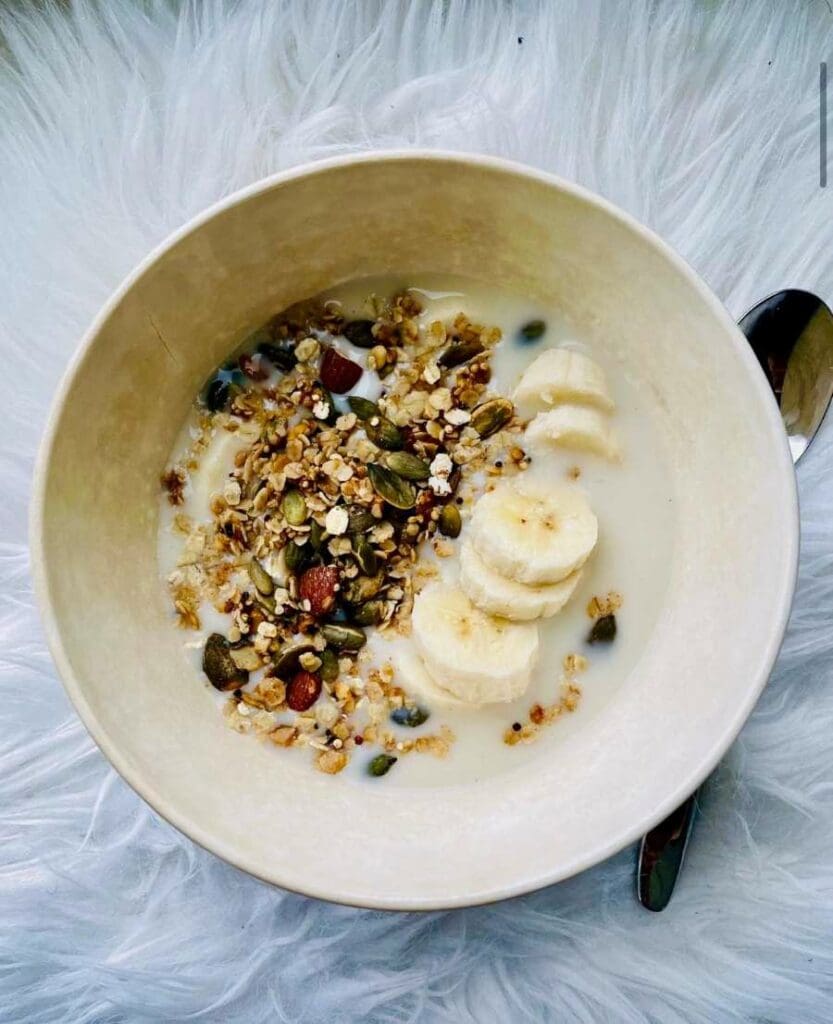
Try adding ground flax seeds to your pancakes or make this delicious homemade granola with honey and seeds!
PS ground seeds can also be used as a coating for baked chicken or fish, providing a healthy alternative to traditional breadcrumbs.
The Best Seeds to Eat for Gut Health – Backed by Science
Start by experimenting with smaller portions of seeds and gradually increase the amount as your body adjusts. It is important to drink plenty of water when consuming seeds to support digestion. Furthermore, store seeds in a cool, dry place to maintain their freshness and prevent spoilage.
When purchasing seeds, opt for organic varieties whenever possible to minimize exposure to pesticides and ensure the highest quality product. Consider buying seeds in bulk to reduce packaging waste and save money in the long run. With a little creativity and experimentation, incorporating seeds into your daily meals can be a simple and enjoyable way to boost your overall health and well-being.
Precautions and Considerations
Potential Allergies and Intolerances when Searching for the Best Seeds to Eat for Gut Health
While seeds offer numerous health benefits, it is essential to consider certain precautions and potential allergies or intolerances.
Seeds are packed with essential nutrients such as fiber, healthy fats, and antioxidants, making them a popular choice for those looking to boost their overall health. However, it’s important to note that not all seeds are created equal, and some may trigger allergic reactions in certain individuals. Keep this in mind when you make your list of the best seeds to eat for gut health.
Some individuals may have allergies or intolerances to specific seeds. Common examples include allergies to sesame seeds or flaxseed. If you have known allergies or experience any adverse reactions after consuming seeds, it is important to consult with a healthcare professional.
It’s worth mentioning that while allergies to seeds are less common than other food allergies, they can still cause serious reactions in some people. Symptoms of seed allergies may range from mild itching and swelling to more severe reactions like difficulty breathing or anaphylaxis.
Understanding the Right Portion Sizes
While seeds are highly nutritious, moderation is key. They are calorie-dense, and consuming excessive amounts can lead to weight gain. It is important to be mindful of portion sizes when incorporating seeds into your diet. This is important to keep in mind when discovering the best seeds to eat for gut health – and to ensure they fit within your overall calorie and nutrient needs.
Additionally, some seeds, such as chia seeds, can absorb large amounts of liquid and expand in your stomach, potentially causing discomfort if consumed in excess. By being mindful of portion sizes and listening to your body’s cues, you can enjoy the benefits of seeds without overdoing it.
Summary: The Best Seeds To Eat For Gut Health
In conclusion, seeds can be a valuable addition to your diet for promoting gut health. They offer a wide range of essential nutrients and contribute to a balanced diet. By incorporating seeds such as chia seeds, flaxseeds, and pumpkin seeds into your meals, you can support a healthy gut microbiota and improve digestion. However, it is crucial to be aware of potential allergies and intolerances and consume seeds in moderation, along with a well-rounded diet. So why not start sprinkling some nutritious seeds into your daily meals and enjoy the benefits they bring to your gut health?

Discover the power of seed nutrition
Discover the science-backed health benefits of seed nutrition*
More Posts & Recipes for You:

Sea Buckthorn: The Skin and Gut Health Superfood You Should Know About Sea buckthorn has gained a cult following among skincare and wellness enthusiasts — and for good reason. Rich in rare fatty acids, vitamins, and antioxidants, this bright orange berry supports both your outer glow and inner gut health. Having tried it myself in […]

Easy High Fiber Meals – Boost Your Skin Glow, Inside Out Looking for a quick overview of how to add more fiber to your diet? We’ve got you covered with these ideas for easy high fiber meals to keep your gut happy and your meals exciting! Because eating enough fiber is a key to glowing […]

Best Probiotics for Acne? 12 That Actually Work (Derm & Gut-Backed) If you struggle with acne, you’re not alone—acne affects over 650 million people worldwide. I was one of them for many years, until I realised that skin health is more than just skin deep! In fact, new research shows that balancing your skin and […]
Best Spore-Based Probiotics for Sensitive Stomachs: Gentle, Science-Backed Support That Actually Works When it comes to the Best Spore-Based Probiotics for Sensitive Stomachs, the science is quietly impressive, clinical trials show a 30-day course can reduce markers of gut permeability by 42%, which explains why so many people finally feel relief without the usual bloating. […]

Ultimate Guide to Using Prebiotic Fibre for Sustained Energy Did you know that 90% of women and 97% of men don’t get enough fibre in their daily diet? That gap is exactly why we put together this ultimate guide to using prebiotic fibre for sustained energy, because we’ve read hundreds of research papers and articles, […]

How to Choose Quality Digestive Enzymes for Better Nutrient Absorption Did you know that a staggering 70,000,000 people in the United States deal with gastrointestinal disorders every single year? That number alone tells us why so many of you write in asking how to choose quality digestive enzymes for better nutrient absorption, because bloating, sluggish […]
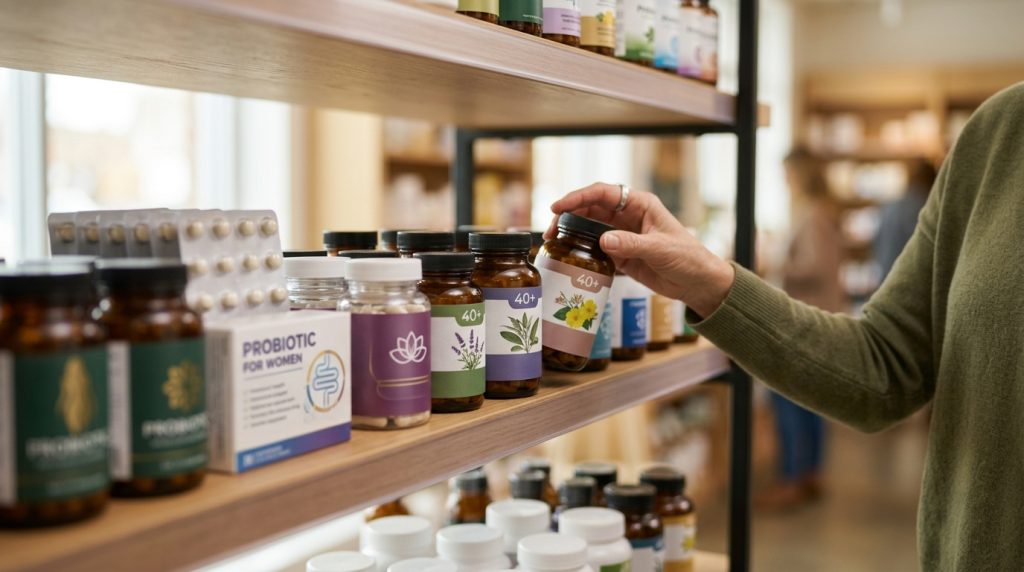
Best Probiotics for Women Over 40: Our Science-Backed Pick of the Top Strains Finding the best probiotics for women over 40 has become one of the most-asked questions we get, and here’s a number that stopped us in our tracks: a striking 94% of women going through menopause report digestive health issues, often tied to […]
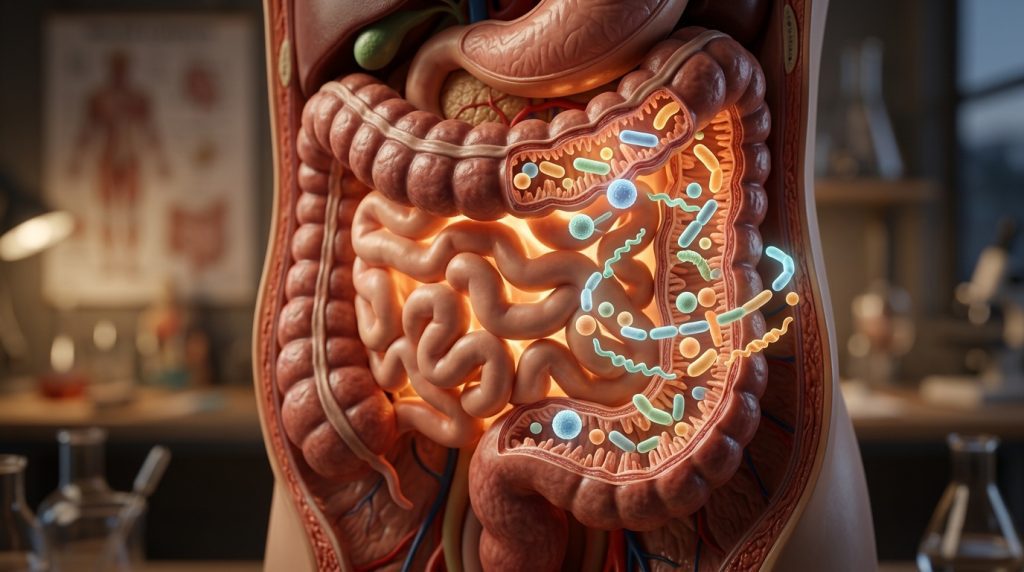
Digestive Disorders & Microbiome Recovery: What the Science Actually Says A single course of antibiotics can reduce gut microbial species by approximately 20, according to a Swedish analysis of nearly 15,000 adults, and that disruption can persist for years. This finding sits at the heart of why digestive disorders and microbiome recovery have become one […]
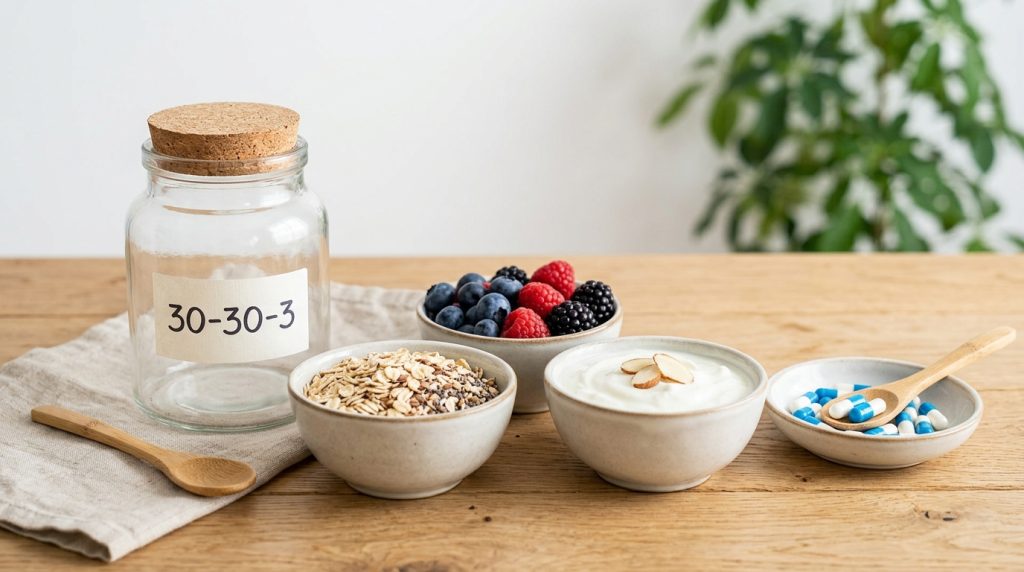
The ’30-30-3′ Microbiome Protocol: Your Science-Backed Daily Blueprint for a Thriving Gut Did you know that 84% of consumers report being more interested in gut health products than in previous years? It’s no wonder that simple, evidence-based frameworks like the ’30-30-3′ Microbiome Protocol are capturing so much attention right now. We’ve been fascinated (to the […]
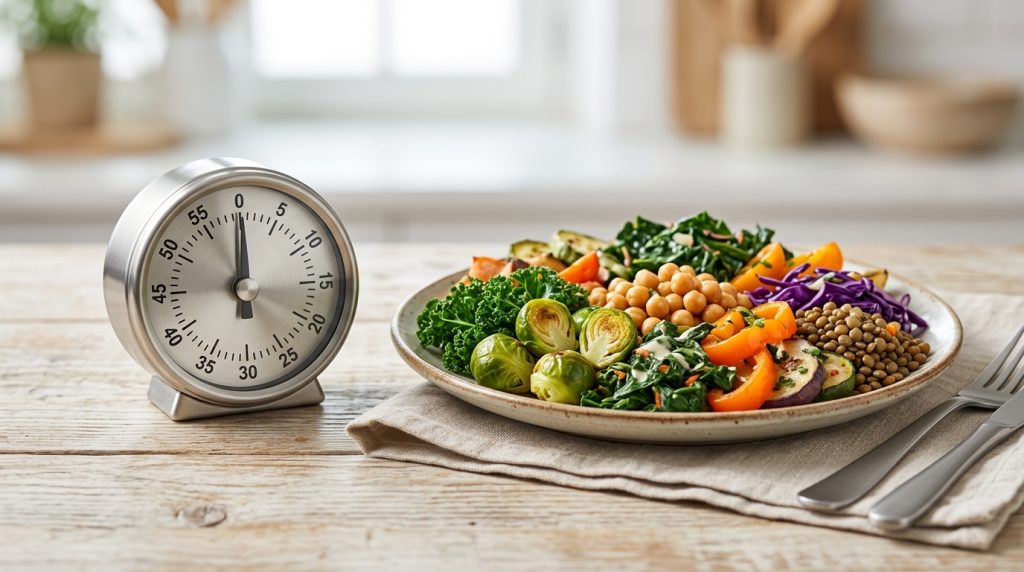
Chrono-Nutrition for the Microbiome: The Best Guide to Timing Your Meals for Gut Health Chrono-nutrition for the microbiome is one of the most exciting and practical shifts happening in gut health right now, and the science behind it is changing how we think about what we eat AND when we eat it. Consider this: over […]

Postbiotic pH Balancing: The Plain-English Guide to Supporting a Healthier Gut Ecosystem Postbiotic pH Balancing matters because clinicians often flag problems when vaginal pH rises above 4.5, a pH threshold tied to common vaginitis diagnoses. More people are asking the same practical question for gut health: how can we support stable, “right-range” pH conditions without […]
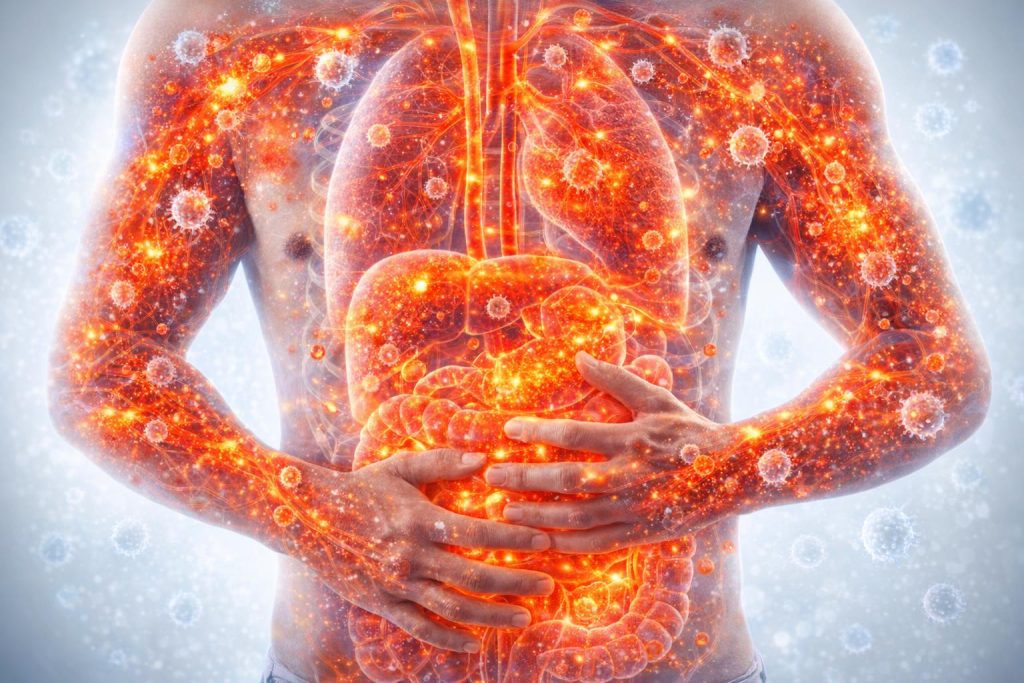
Best Natural Remedies for Reducing Chronic Systemic Inflammation If you’re looking for the best natural remedies for reducing chronic systemic inflammation, you’re in exactly the right place. And here’s something that might surprise you before we even get started: research shows that short sleep duration is associated with more than double the odds of elevated […]
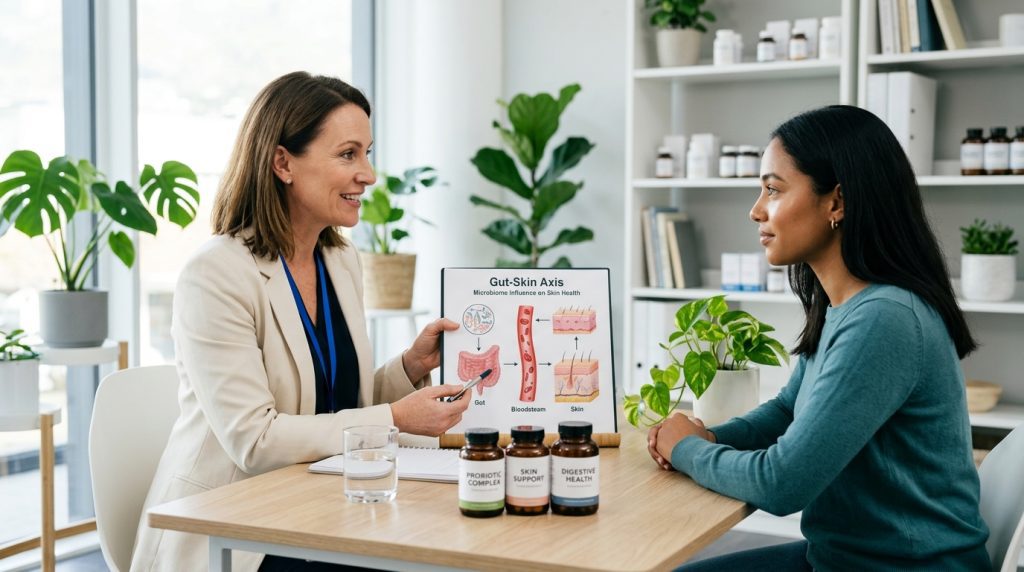
Metabolic Beauty: The Gut-Skin Axis Guide (What’s Actually Working Right Now) Metabolic Beauty and the Gut-Skin Axis in 2026 have officially moved from fringe wellness circles into mainstream science, and the numbers prove it: a staggering 67% of consumers now prefer ingestible beauty products over traditional topical solutions, signalling that the era of “beauty from […]

Menopause, Hormones & Gut Health: Understanding the Changes and Practical Solutions Menopause brings many changes to your body, and your digestive system is no exception. During this transition, dropping levels of oestrogen and progesterone affect more than just your reproductive system. These hormones also play key roles in how your gut functions, from digestion speed […]

The 24-Hour Glow Protocol: Transform Your Skin Through Microbiome-Focused Nutrition and Skincare Your skin and gut health are connected in ways that become visible within just 24 hours of changing what you eat and how you care for your skin. The microbiome—the collection of bacteria living in your gut and on your skin—responds quickly to […]

The Inside-Out Glow Up: How Gut Health Transforms Your Skin Care Results You’ve probably spent money on serums, creams, and treatments to get clear, glowing skin. But the real secret to healthy skin might be hiding in an unexpected place: your digestive system. Your gut health directly affects how your skin looks, influencing everything from […]

Is Your Clean Skincare Actually Hurting Your Microbiome? The Hidden Truth About Popular Products Your skin is home to trillions of tiny organisms that form a protective ecosystem called the skin microbiome. These bacteria, fungi, and other microbes help regulate moisture, control inflammation, and defend against harmful invaders. When this delicate balance gets disrupted, your […]

Brain, Belly, and Breakouts: How Stress Affects Your Skin Health You might notice that your skin breaks out more during stressful times at work, such as big presentations, or during shool exams for your teenager (or yourself!). This is not a coincidence. Stress directly affects your skin through chemical changes in your brain and body, […]

Pre, Pro, and Postbiotics: Why Your Face Needs Good Bacteria Too for Healthy Skin You’ve probably heard about probiotics for your gut, but your skin has its own community of bacteria that needs care too. Your skin is home to trillions of microorganisms that work together to keep it healthy and protected. Prebiotics feed the […]